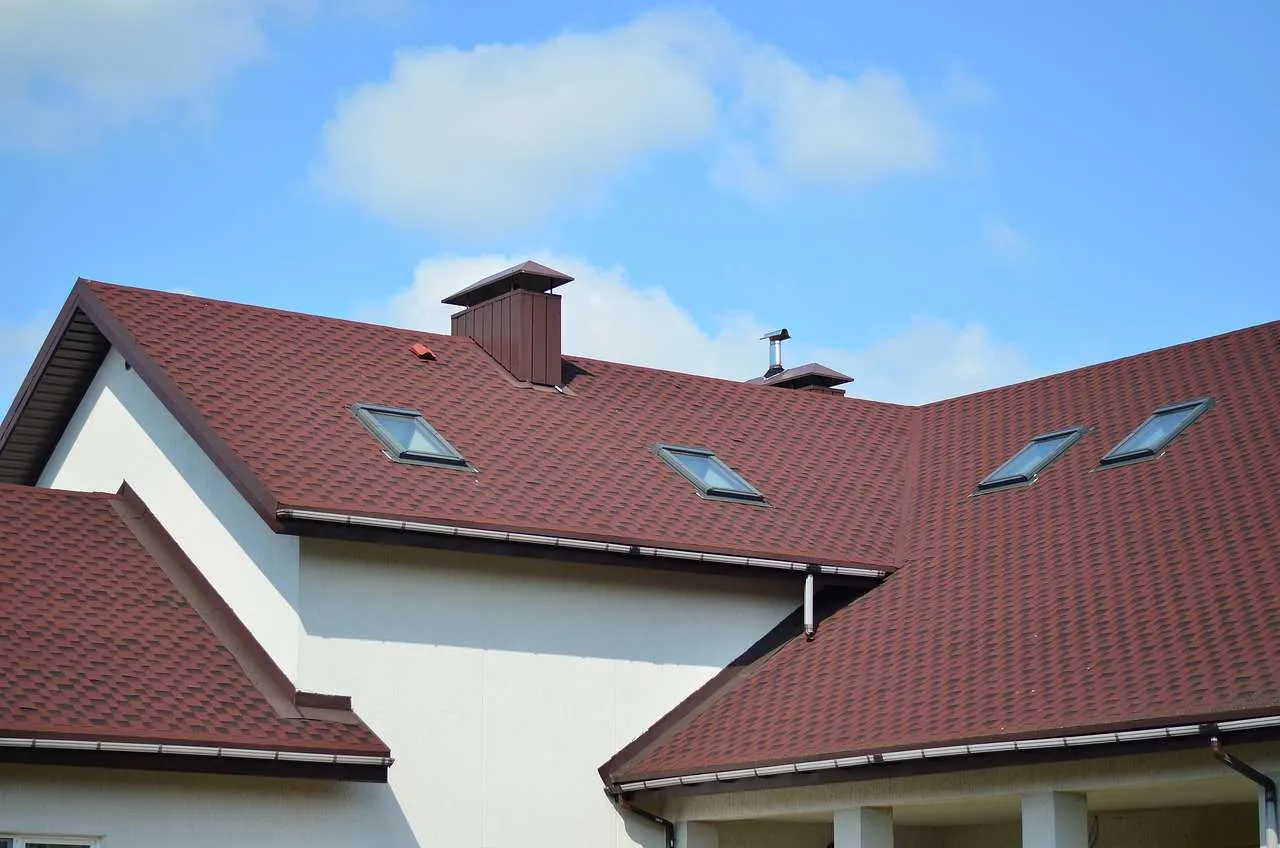
Proper repair of roofing is essential to protect a home’s structure and value. This guide covers when to repair, common methods, cost ranges, and how to hire qualified professionals who meet EEAT standards.
Assessing the need for repair
Roofs age and weather exposure accumulate damage over time. Even before a leak appears, minor issues can escalate if ignored. Regular visual checks after storms help catch problems early. Key events such as hail, heavy rain, or wind can create hidden damage in valleys, flashings, and shingles. A professional inspection can verify the extent of damage and prioritize fixes based on safety and cost.
Key signs that repair is needed
- Missing or curling shingles
- Visible leaks in ceilings or attic dampness
- Dark stains or mold growth on interior walls
- Granule loss in gutters or downspouts
- Sagging or buckling sections in the roof plane
- Damaged flashing around chimneys, vents, or skylights
DIY vs professional repair of roofing
Many roofing repairs require working at height, specialized tools, and knowledge of roof systems. DIY may be acceptable for small, clearly localized tasks with proper safety gear, but major repairs, fragile or aged roofs, and work near seams should be handled by a licensed contractor. Always consider weather, accessibility, and ladder safety before attempting any repair yourself. A pro can also assess underlying issues such as improper ventilation or insulation that contribute to recurring leaks.
Repair techniques and materials
The repair approach depends on roof type and damage scope. Asphalt shingles often involve replacing damaged shingles and resealing the joints. Metal roofs focus on sealing seams and re-fastening panels. Tile roofs require careful replacement of broken tiles and re-bedding. Valleys and flashing demand attention to sealants and potential corrosion. In some cases a temporary waterproof membrane or coating can slow leaks while a permanent fix is planned. Choosing compatible underlayment, fasteners, and sealants is critical to a durable repair.
Cost and planning: a quick table
| Repair option | Typical cost range | Pros | Cons |
|---|---|---|---|
| Partial shingle replacement | $150–$600 | Quick fix, prevents leaks | Will wear with rest of roof |
| Flashing repair | $300–$1,200 | Stops leaks at joints | Labor-intensive in tight spaces |
| Leak sealing with sealant | $200–$800 | Low cost, temporary | Not a long-term solution |
| Vent or ridge repair | $350–$1,500 | Improves ventilation, prevents damage | May require additional work |
| Full patch for damaged section | $1,000–$4,000 | Reliable fix for visible failures | Costly if large area affected |
Maintenance to extend roof life
Preventive maintenance reduces repair frequency. Schedule annual inspections, clear gutters, trim overhanging branches, and watch for ice dams in winter. Address small issues promptly to avoid expensive repairs after severe weather. A routine audit by a contractor can identify wear patterns and suggest replacement timelines for shingles, membranes, or vents.
Choosing a professional for repair of roofing
To meet EEAT standards, verify licenses, insurance, and warranties. Request detailed written estimates, compare materials, and check references from previous clients. Confirm that the contractor follows safety practices, uses manufacturer-approved methods, and offers a workmanship guarantee. For emergencies, ask about response times and temporary tarping options to minimize further damage. Ask about certifications from shingle manufacturers or metal roof suppliers, and whether the team includes trained apprentices and a project supervisor.
Conclusion
Conclusion, timely repair of roofing protects a home’s structure, reduces future repair costs, and preserves insulation and interior finishes. By recognizing signs early, weighing DIY safety against professional expertise, understanding repair options and costs, and hiring a qualified contractor, you can achieve durable, code-compliant results that stand the test of time.